
Manufacturing Insight
What Is a Slide Valve and How Does It Work
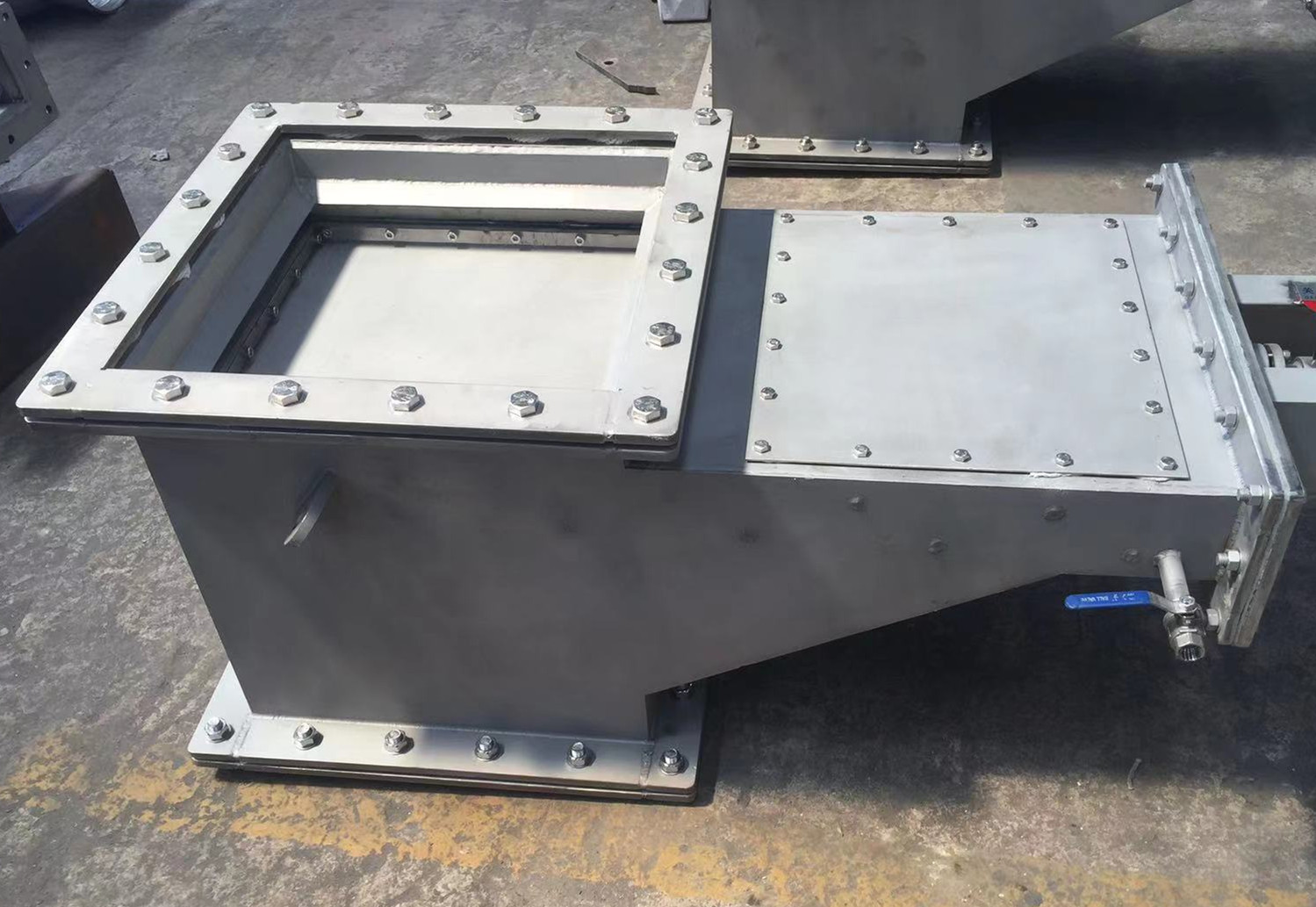
A slide valve is a mechanical flow control device used to regulate or isolate the movement of bulk solids, powders, granules, or gases in industrial systems. Unlike rotary or ball valves, slide valves use a flat or shaped sliding plate to open or close a flow passage. Due to their simple structure and reliable sealing, slide valves are widely used in power plants, cement plants, chemical processing, and material handling systems.
What Is a Slide Valve
A slide valve consists of a valve body with an internal sliding gate or plate that moves linearly across the flow path. By moving the plate into or out of the opening, the valve can start, stop, or regulate material flow. Slide valves are especially suitable for applications involving abrasive, high-temperature, or particulate media.
Basic Working Principle of a Slide Valve
The working principle of a slide valve is based on linear motion rather than rotation.
When the slide plate is fully retracted, the flow passage is open, allowing material or gas to pass through
When the slide plate moves across the opening, it restricts or completely blocks the flow
Partial positioning allows controlled flow regulation
The sliding motion is typically driven by manual, pneumatic, electric, or hydraulic actuators.
Key Components of a Slide Valve
A typical slide valve includes:
Valve body that houses the flow passage
Slide plate or gate that controls the opening
Sealing system to minimize leakage
Guide rails to ensure smooth linear movement
Actuator to control valve operation
Each component is designed to handle specific operating conditions such as temperature, pressure, and material abrasiveness.
Types of Slide Valves
Manual Slide Valves
Operated by hand wheels or levers, suitable for simple on-off control.
Pneumatic Slide Valves
Use compressed air for fast and automated operation in process systems.
Electric Slide Valves
Driven by electric actuators for precise and remote control.
Heavy-Duty Slide Valves
Designed for high-temperature, high-abrasion applications such as ash and clinker handling.
Advantages of Slide Valves
Simple and robust design
Reliable shut-off for bulk solids
Suitable for high-temperature and abrasive materials
Low maintenance requirements
Easy integration into existing systems
Common Industrial Applications
Slide valves are widely used in:
Power plant ash handling systems
Cement and lime processing plants
Metallurgical and mining industries
Chemical and fertilizer production
Bulk material storage and conveying systems
Design and Selection Considerations
When selecting a slide valve, key factors include:
Material type and particle size
Operating temperature and pressure
Required sealing performance
Actuation method
Installation orientation
Proper selection ensures reliable performance and long service life.
Maintenance and Operation
Regular inspection of sealing surfaces and guide mechanisms helps maintain smooth operation. Slide valves generally require minimal maintenance when properly installed and operated.
Conclusion
A slide valve is a versatile and reliable flow control solution for industrial systems handling solids, powders, and gases. Its straightforward working principle, durability, and adaptability make it a preferred choice in many demanding industrial applications.
Need this equipment for your plant?
Send your duct layout or process data and our engineers will review the selection and return an itemized quotation.
Request a Quote