
Manufacturing Insight
How Slide Valves Support Stable Operation in Thermal Systems
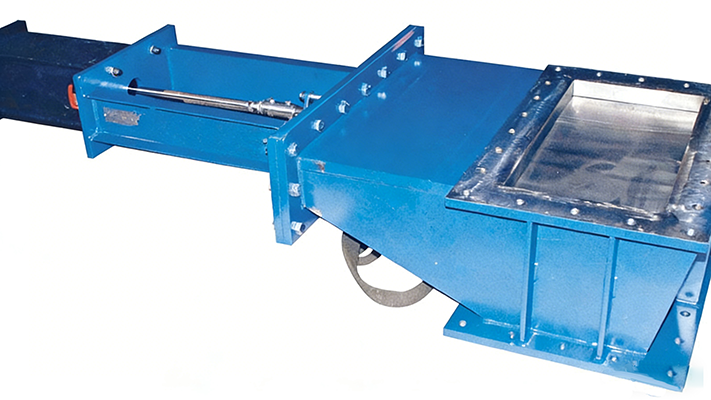
Thermal systems such as power plants, boilers, furnaces, and heat recovery units rely on stable material and gas flow to maintain efficiency, safety, and operational reliability. Slide valves play an essential role in these systems by providing accurate flow isolation and control under high-temperature and demanding conditions. Their robust design makes them especially suitable for thermal applications involving ash, dust, flue gas, and other process media.
Role of Slide Valves in Thermal Systems
In thermal systems, slide valves are primarily used to regulate or isolate the flow of solids or gases between different process stages. By ensuring precise control, slide valves help maintain stable temperature, pressure, and material balance throughout the system.
Common functions include:
Isolating high-temperature zones
Controlling fuel or material feed rates
Preventing backflow of hot gases
Supporting safe startup and shutdown procedures
How Slide Valves Contribute to System Stability
Reliable Flow Isolation
Slide valves provide effective shut-off, minimizing leakage that could disrupt thermal balance or create safety risks. Stable isolation helps maintain consistent operating conditions.
Consistent Material Feeding
In systems handling coal, biomass, ash, or other solids, slide valves regulate feed rates, ensuring uniform heat release and stable combustion.
Resistance to High Temperatures
Slide valves are designed with materials and structures that withstand elevated temperatures, reducing deformation and maintaining performance over time.
Reduced Pressure Fluctuations
By smoothly opening and closing, slide valves prevent sudden flow changes that could cause pressure surges or thermal shocks.
Advantages of Slide Valves in Thermal Applications
High reliability under harsh thermal conditions
Simple mechanical structure with low failure risk
Good sealing performance for gas and fine particles
Compatibility with pneumatic and electric automation
Long service life with minimal maintenance
Typical Applications in Thermal Systems
Slide valves are commonly used in:
Boiler fuel feeding systems
Ash discharge and handling systems
Flue gas and dust collection systems
Waste heat recovery units
Furnace and incineration plants
Their versatility allows them to be integrated into both new installations and retrofit projects.
Design Considerations for Thermal Stability
To ensure stable operation, slide valves must be selected and designed based on:
Operating temperature and thermal cycling
Media characteristics such as abrasiveness and particle size
Sealing requirements and leakage limits
Actuation speed and control accuracy
Installation orientation and space constraints
Proper engineering ensures smooth operation and consistent thermal performance.
Maintenance and Operational Reliability
Routine inspection and cleaning help maintain slide valve performance. In thermal systems, attention should be given to sealing surfaces and guide mechanisms to prevent jamming caused by ash or dust accumulation.
Conclusion
Slide valves play a critical role in supporting stable operation in thermal systems by providing reliable flow control, effective isolation, and durability under high-temperature conditions. Their contribution to consistent process control, safety, and efficiency makes them an indispensable component in modern thermal and energy systems.
Need this equipment for your plant?
Send your duct layout or process data and our engineers will review the selection and return an itemized quotation.
Request a Quote