
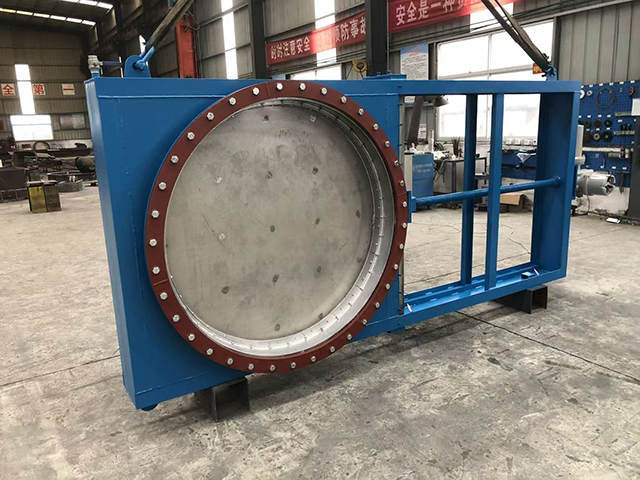
Heavy-Duty Slide Gate
A slide gate is an industrial flow control device designed to open, close, isolate, or sometimes regulate the…
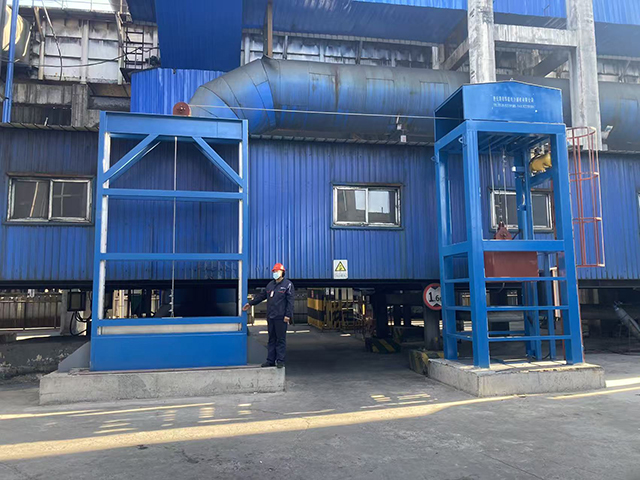
A Quick-Opening Chimney Door is a specialized access door installed on industrial chimneys, stacks, flue gas ducts
A Quick-Opening Chimney Door is a specialized access door installed on industrial chimneys, stacks, flue gas ducts, exhaust systems, and other vertical gas-handling structures. Its primary purpose is to provide convenient access for inspection, maintenance, cleaning, testing, and internal servicing without requiring the removal of a large number of bolts or permanent structural components.
In industrial power plants and process facilities, chimneys and exhaust stacks operate under demanding conditions. They may handle hot flue gas, corrosive gases, dust, moisture, and fluctuating pressure. Regular inspection of the chimney structure, lining, expansion components, drainage system, and connected ductwork is therefore important. A properly designed quick-opening Chimney access door provides a practical maintenance opening while maintaining structural integrity and reasonable sealing performance during normal operation.
Quick-opening access doors are widely used in industrial equipment because they can significantly reduce the time required to reach internal components. Industrial fan documentation, for example, describes quick-opening access doors as an option for convenient inspection and cleaning, commonly using hinges, handles, and gaskets instead of numerous removable fasteners.

The term quick-opening chimney door may also appear in technical documents under related names such as:
| Common Term | Meaning |
|---|---|
| Quick-Opening Chimney Door | Access door designed for rapid opening on a chimney or stack |
| Chimney Access Door | Door providing maintenance access to a chimney |
| Stack Access Door | Access opening installed on an industrial stack |
| Quick-Opening Access Door | General term for a door designed for fast maintenance access |
| Chimney Inspection Door | Door primarily intended for inspection |
| Stack Maintenance Door | Access door designed for maintenance activities |
| Flue Gas Access Door | Door installed on flue gas equipment or ductwork |
| Industrial chimney door | General term for an industrial stack access door |
Although terminology varies between industries and suppliers, the basic concept remains the same: provide safe, practical, repeatable access while minimizing maintenance downtime.
A quick-opening chimney access door consists of a door panel, reinforced door frame, hinges or another opening mechanism, locking or clamping hardware, sealing components, and structural reinforcement where required.
Unlike a permanently welded inspection cover, a quick-opening door can be opened and closed repeatedly. Compared with a conventional bolted access cover, it can reduce the number of individual fasteners that maintenance personnel need to remove.
A typical design may include:
Door panel
Reinforced door frame
Heavy-duty hinges
Quick-release handles
Clamping mechanism
Locking mechanism
High-temperature gasket
Sealing surface
Reinforcement ribs
Mounting brackets
Drainage or condensation provisions
Safety identification plate
The exact configuration depends on chimney diameter, wall thickness, operating temperature, gas composition, pressure, environmental conditions, access requirements, and maintenance frequency.
Quick-opening access doors are not limited to chimneys. Similar principles are used on industrial fans, vessels, enclosures, ducts, and other equipment where frequent inspection or cleaning is required.
Industrial chimneys are often difficult to inspect because of their height, large diameter, internal lining, and connection to other process equipment. A suitable access opening makes inspection work easier and can help reduce maintenance time.
The main purpose of a quick-opening chimney door is maintenance accessibility.
During planned maintenance, technicians may need to inspect:
Chimney internal surfaces
Refractory or protective lining
Corrosion areas
Flue gas deposits
Drainage systems
Expansion joints
Welded connections
Structural reinforcement
Flue gas duct connections
Internal inspection points
Measuring or sampling locations
A quick-opening access door can make these activities more efficient because the opening does not need to be permanently cut or reconstructed after each inspection.
In equipment applications, quick-opening doors are specifically used to facilitate inspection and cleaning, demonstrating the general maintenance advantage of this design concept.
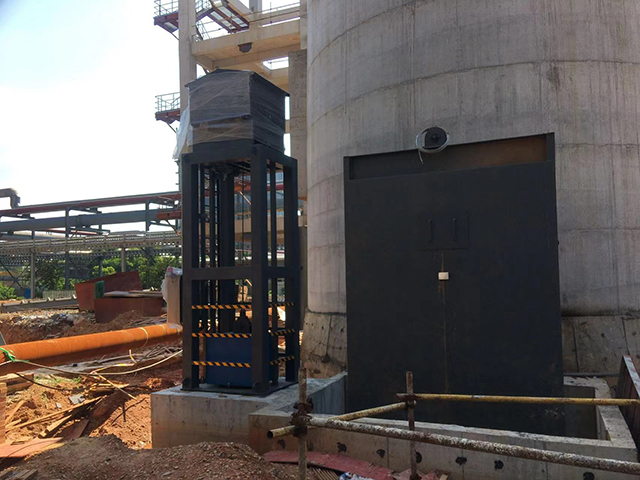
The most important feature is the ability to open the door quickly. A suitable locking arrangement allows maintenance personnel to release the door without removing many individual bolts.
This is particularly useful when inspections are performed frequently.
A hinged door is one of the most common configurations. The hinge keeps the door attached to the chimney and prevents the door panel from being completely separated from the structure.
This provides several advantages:
Faster opening
Easier closing
Reduced risk of losing fasteners
Better positioning during maintenance
Simplified routine inspection
A chimney access door should provide an appropriate seal around the opening.
The gasket material should be selected according to:
Operating temperature
Flue gas composition
Moisture
Chemical exposure
Pressure difference
Expected service life
Industrial quick-opening access doors commonly use gasketed sealing systems.
The locking system must hold the door firmly against its frame.
Possible configurations include:
Toggle clamps
Lever clamps
Quick-release handles
Cam locks
Latch mechanisms
Hinged clamps
Stud-and-nut systems
Custom mechanical locking devices
The selected mechanism should match the operating environment and required sealing force.
Creating an opening in a chimney wall changes the local stress distribution. Therefore, the door frame may require reinforcement.
Typical reinforcement methods include:
Reinforced door frames
Stiffener plates
Structural ribs
Doubler plates
Reinforced mounting rings
The final structure should be checked according to the chimney design requirements and applicable engineering standards.
A quick-opening chimney door can be divided into several major components.
| Component | Main Function | Typical Consideration |
|---|---|---|
| Door Panel | Covers the access opening | Strength, thickness, corrosion resistance |
| Door Frame | Supports the door and transfers loads | Rigidity and dimensional accuracy |
| Hinge | Allows repeated opening and closing | Load capacity and durability |
| Locking Device | Secures the door | Clamping force and ease of operation |
| Gasket | Reduces gas leakage | Temperature and chemical resistance |
| Reinforcement | Strengthens the chimney opening | Stress concentration and deformation |
| Handle | Provides manual operation | Ergonomics and temperature |
| Fasteners | Connect components | Material compatibility and corrosion |
| Insulation | Reduces heat transfer | Temperature and thickness |
| Protective Coating | Protects metal surfaces | Corrosion and environmental resistance |
The actual construction should always be adapted to the application rather than relying on one universal configuration.
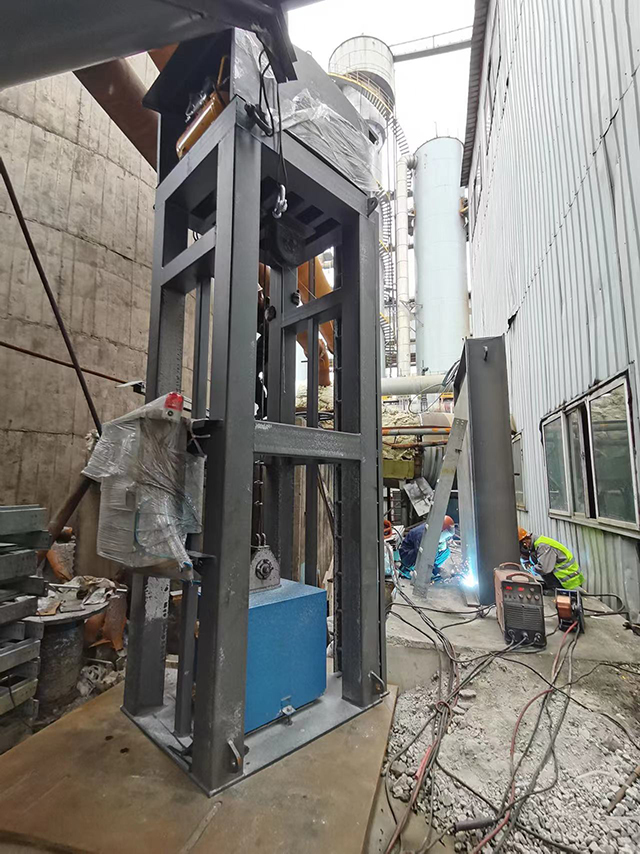
Material selection is an important part of chimney access door engineering.
Carbon steel is frequently considered for general industrial applications because of its strength, availability, weldability, and relatively low cost.
Stainless steel may be selected where corrosion resistance is more important, especially in environments involving moisture, acidic condensate, or aggressive flue gas.
Common material categories include:
| Material Category | Typical Characteristics | Potential Application |
|---|---|---|
| Carbon Steel | Strong, economical, weldable | General industrial chimneys |
| Stainless Steel | High corrosion resistance | Corrosive or humid environments |
| Heat-Resistant Steel | Better high-temperature performance | Hot flue gas systems |
| Alloy Steel | Improved mechanical properties | More demanding conditions |
| Composite or Insulated Construction | Improved thermal protection | High-temperature access locations |
The material should be selected based on actual operating conditions rather than simply choosing the most corrosion-resistant material.
The gasket is one of the most important components of a quick-opening chimney door because it directly affects sealing performance.
Potential gasket materials include:
Graphite
Ceramic fiber
High-temperature fiber materials
PTFE-based materials for suitable temperature ranges
Elastomeric materials for lower-temperature applications
Metal-reinforced gasket systems
For high-temperature chimney service, ordinary rubber seals may not be suitable. The gasket must be selected according to the actual temperature, chemical exposure, compression requirements, and maintenance conditions.
A practical gasket selection table is shown below.
| Operating Condition | Gasket Selection Consideration |
|---|---|
| Low-temperature clean air | General industrial sealing materials |
| Moderate-temperature gas | Heat-resistant elastomer or fiber |
| High-temperature flue gas | Graphite or ceramic-based materials |
| Corrosive flue gas | Chemically resistant sealing material |
| Moist environment | Moisture-resistant gasket |
| Frequent opening | Durable and replaceable gasket |
The gasket should also be easy to inspect and replace during scheduled maintenance.
The working principle is relatively simple.
During normal operation, the door is closed and secured against the reinforced frame. The locking system generates sufficient clamping force to keep the door in position and compress the gasket.
When maintenance is required, the operator first confirms that the chimney is in a safe condition. After the appropriate shutdown, isolation, cooling, ventilation, and safety procedures have been completed, the locking mechanism can be released.
The door is then opened using its hinge or opening mechanism.
The basic sequence is:
Normal Operation → Shutdown → Isolation → Safety Verification → Release Lock → Open Door → Inspection → Clean/Repair → Close Door → Secure Lock → Restore Operation
The most important point is that a quick-opening door is an access component, not a substitute for process isolation.
For equipment containing pressure or hazardous gases, pressure must be fully relieved before opening. Quick-opening pressure-access systems are specifically designed around the relationship between door engagement, pressure, and sealing, illustrating why pressure safety must be considered before access.
The main advantage is reduced opening and closing time.
A conventional bolted cover may require technicians to remove multiple bolts. A quick-opening design can reduce this work through integrated handles, clamps, or other mechanisms.
A properly positioned access door provides a convenient opening for visual inspection, cleaning, measurement, and maintenance.
Faster access can contribute to shorter maintenance periods, especially when inspections are performed regularly.
Unlike temporary openings, a permanent quick-opening door can be used repeatedly throughout the equipment's service life.
A hinged door with an ergonomic handle is generally easier to operate than a heavy cover that must be completely removed.
Because the door can remain attached to the chimney, there may be fewer loose components during maintenance.
Quick-opening chimney doors can be customized for different:
Opening dimensions
Wall thicknesses
Temperatures
Materials
Insulation requirements
Sealing requirements
Installation orientations
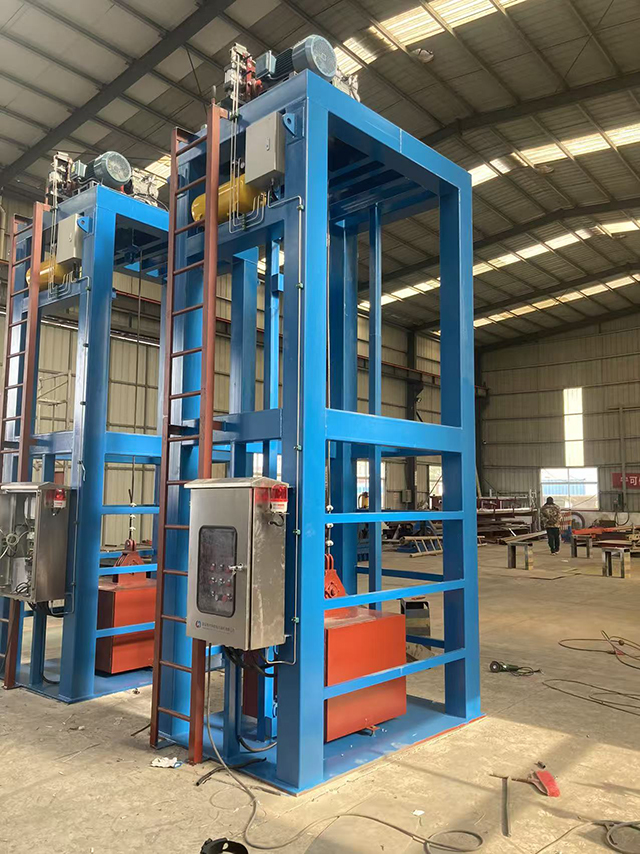
Both designs have applications in industrial equipment.
| Feature | Quick-Opening Chimney Door | Conventional Bolted Access Door |
|---|---|---|
| Opening Speed | Fast | Slower |
| Fastener Removal | Minimal or none depending on design | Usually required |
| Maintenance Convenience | High | Moderate |
| Repeated Inspection | Very suitable | Suitable |
| Initial Complexity | Higher | Lower |
| Operator Effort | Lower | Higher |
| Hardware Retention | Often integrated | Loose fasteners possible |
| Installation | Application dependent | Generally straightforward |
| Sealing | Designed with gasket/clamping system | Bolt compression |
| Best Use | Frequent access | Infrequent access |
The choice should be based on the required inspection frequency, environmental conditions, structural requirements, and project budget.
There is no single universal specification for a quick-opening chimney door. Dimensions must be engineered for each installation.
A general specification framework may include:
| Parameter | Typical Specification Consideration |
|---|---|
| Door Type | Hinged quick-opening access door |
| Installation | Chimney wall or stack shell |
| Door Shape | Round, rectangular, or customized |
| Door Material | Carbon steel, stainless steel, or alloy steel |
| Frame Material | Compatible structural metal |
| Opening Size | Customized according to access requirements |
| Wall Thickness | Matched to chimney shell |
| Gasket | High-temperature and corrosion-resistant option |
| Locking System | Quick clamp, lever, latch, or customized |
| Hinge | Heavy-duty industrial hinge |
| Surface Treatment | Painting, coating, or corrosion protection |
| Insulation | Optional according to temperature |
| Operating Temperature | Project-specific |
| Pressure | Atmospheric or project-specific differential pressure |
| Gas Medium | Flue gas, exhaust gas, air, etc. |
| Installation Orientation | Vertical, horizontal, or customized |
| Maintenance Access | Inspection, cleaning, repair, sampling |
These values should be treated as a design framework rather than universal product limits.
The diameter and geometry of the chimney affect the location and structural reinforcement of the door.
High-temperature flue gas can cause thermal expansion, material degradation, gasket failure, and heat transfer to the operator.
Sulfur compounds, moisture, chlorides, particulate matter, and acidic condensate can contribute to corrosion.
Although many industrial chimneys operate close to atmospheric pressure, pressure differences may occur during abnormal operating conditions, startup, shutdown, or connected equipment operation.
Frequent inspection favors a quick-opening configuration because reduced opening time becomes more valuable.
The opening must be large enough for the intended inspection or maintenance task but should not be unnecessarily large.
A high-temperature chimney may require an insulated door to reduce external surface temperature and protect personnel.
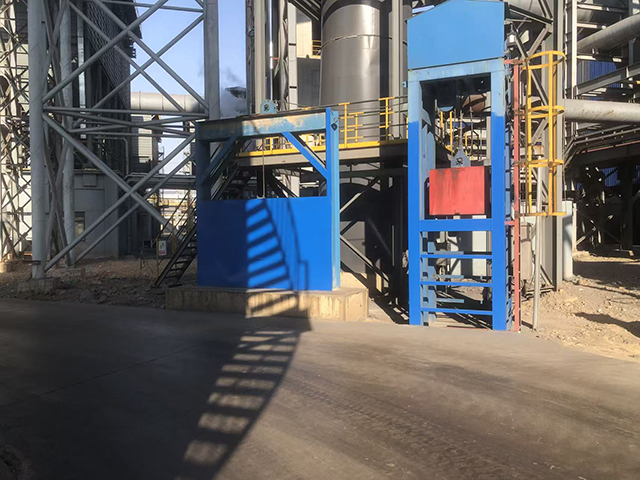
Quick-opening chimney doors can be used in many industrial environments.
Power plants use chimneys and flue gas systems for exhaust gas discharge. Access doors can facilitate inspection and maintenance of stack components.
Typical locations may include:
Flue gas stacks
Exhaust chimneys
Boiler-related gas systems
Flue gas ducts
Industrial ventilation systems
Industrial boiler systems require regular inspection of combustion and exhaust components. Access doors can provide convenient inspection points.
Incineration systems handle hot gases and particulate matter. Maintenance access is important for inspection and cleaning.
Cement production generates high-temperature gas and significant dust loading. Access doors can facilitate inspection of exhaust and gas-handling structures.
Metallurgical processes often involve high-temperature exhaust systems and aggressive gas environments.
Chemical process exhaust systems may require corrosion-resistant construction and specialized sealing materials.
Large industrial ventilation systems may also use quick-opening access doors for fan and duct maintenance. Industrial fan catalogs document quick-opening doors as maintenance accessories for inspection and cleaning.
Correct installation is essential for reliable operation.
Before installation, engineers should verify:
Chimney wall dimensions
Door opening dimensions
Reinforcement requirements
Door orientation
Hinge clearance
Handle accessibility
Gasket contact surface
Insulation arrangement
Drainage conditions
Coating requirements
Maintenance clearance
Safety access
The door frame should be properly aligned with the chimney shell. Excessive distortion can prevent uniform gasket compression and may make the door difficult to close.
The surrounding chimney structure should also be checked because the opening interrupts the continuity of the shell.
Routine maintenance helps preserve sealing performance and operating reliability.
A basic maintenance program should include:
| Maintenance Item | Recommended Inspection |
|---|---|
| Door Panel | Check deformation and corrosion |
| Door Frame | Check cracks and structural damage |
| Hinges | Check wear and lubrication where applicable |
| Locking Mechanism | Check operation and clamping |
| Gasket | Check compression, cracking, and deterioration |
| Fasteners | Check corrosion and looseness |
| Coating | Check coating damage |
| Insulation | Check deterioration |
| Welds | Inspect for visible cracking |
| Sealing Surface | Clean and inspect |
| Handles | Check mechanical condition |
A damaged gasket should generally be replaced rather than repeatedly compressed beyond its intended service condition.
Safety is the highest priority when operating any industrial chimney access door.
Before opening a chimney access door, operators should follow the site's established safety procedures.
Important considerations include:
Confirming equipment shutdown
Isolating connected process equipment
Verifying pressure conditions
Allowing adequate cooling time
Checking gas conditions
Providing ventilation where necessary
Using appropriate personal protective equipment
Preventing unauthorized access
Confirming the door is not under hazardous pressure
Following lockout/tagout procedures where applicable
A quick-opening mechanism should never be interpreted as permission to open a door while the equipment remains in an unsafe operating condition.
This is particularly important for pressure-containing or potentially hazardous systems. Quick-opening pressure doors require careful consideration of pressure forces and safe door engagement.
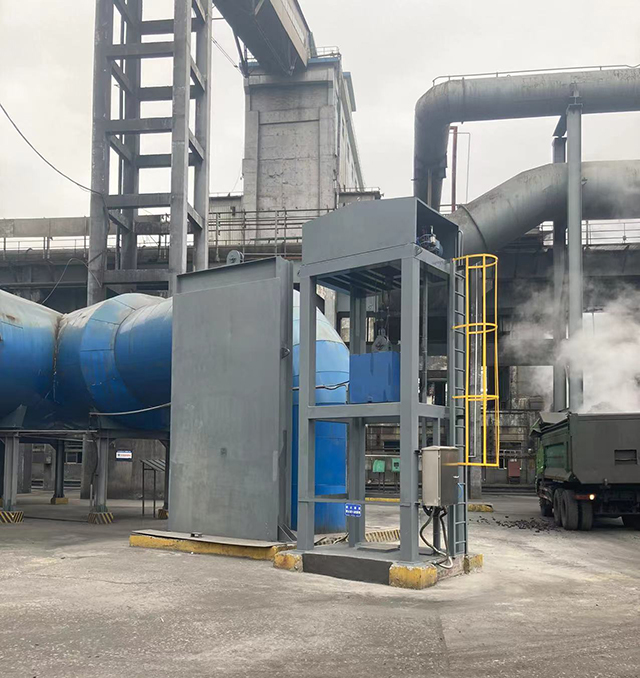
When selecting or designing a quick-opening chimney door, consider the following parameters.
Determine whether the door is intended for:
Inspection
Cleaning
Sampling
Maintenance
Internal repair
Emergency access
The opening should be large enough for the intended task.
Collect:
Gas temperature
Gas composition
Pressure
Moisture level
Dust concentration
Corrosive components
Choose materials according to temperature, corrosion, mechanical strength, and expected service life.
Choose a gasket suitable for actual operating conditions.
The locking system should provide adequate clamping force while remaining practical for maintenance personnel.
The chimney opening should be evaluated for local stresses and deformation.
For hot applications, insulation and operator protection should be included in the design.
Possible causes include:
Corrosion around the hinge
Deformation of the frame
Excessive gasket compression
Locking mechanism damage
Thermal distortion
Possible causes include:
Damaged gasket
Uneven clamping
Door deformation
Dirty sealing surface
Incorrect gasket installation
Possible causes include:
Wear
Vibration
Incorrect adjustment
Corrosion
Mechanical damage
Possible causes include:
Moisture accumulation
Acidic condensate
Coating failure
Incompatible material selection
Flue gas leakage
Possible causes include:
Insufficient insulation
Damaged insulation
High flue gas temperature
Inadequate thermal design
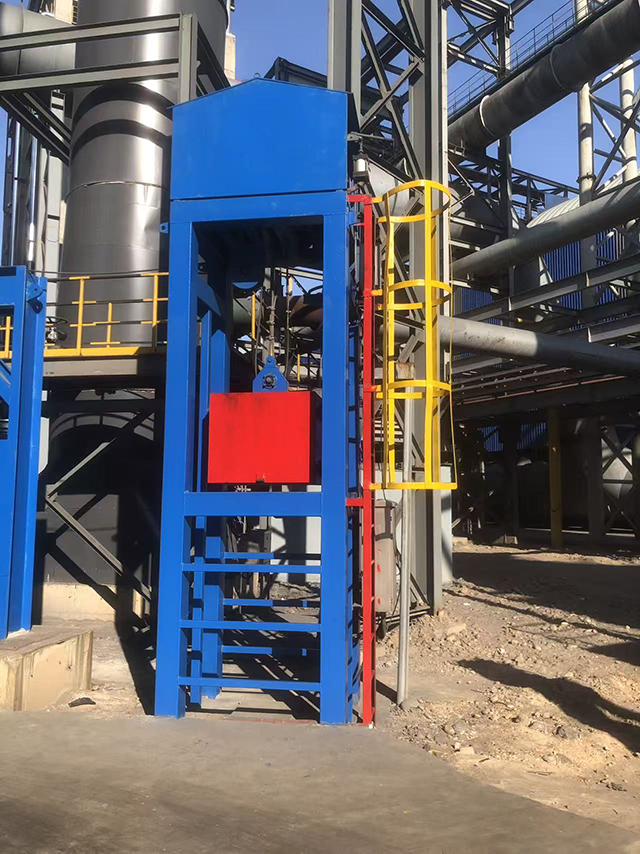
For an industrial website, related keywords can be naturally incorporated into headings, descriptions, specifications, and FAQs.
| Primary Keyword | Related Keyword |
|---|---|
| Quick-opening chimney door | Chimney access door |
| Quick-opening chimney access door | Stack access door |
| Industrial chimney door | Industrial stack door |
| Quick-opening access door | Chimney inspection door |
| Stack maintenance door | Flue gas access door |
| Chimney inspection access | Industrial access door |
| Quick-opening stack door | Chimney maintenance door |
| High-temperature access door | Flue gas inspection door |
| Industrial chimney access door | Exhaust stack access door |
Keyword usage should remain natural. Repeating the exact keyword excessively can reduce readability and may make the content appear artificially optimized.
A quick-opening chimney door is a reusable industrial access door installed on a chimney or stack to provide rapid access for inspection, cleaning, maintenance, or repair.
A chimney access door is a broad term for an access opening. A quick-opening chimney door specifically emphasizes fast opening and closing through a hinge, clamp, latch, or similar mechanism.
Yes, but the door materials, gasket, insulation, hinge, and locking components must be selected for the actual operating temperature.
Carbon steel and stainless steel are common choices. Heat-resistant or alloy materials may be considered for more demanding environments.
Many designs use a gasket to improve sealing. The gasket material should be selected according to temperature, gas composition, pressure, and chemical exposure.
Yes. Industrial chimney access doors can be customized for opening dimensions, material, insulation, sealing method, hinge arrangement, locking system, and installation conditions.
A chimney access door should not automatically be treated as a pressure-vessel closure. If significant pressure is involved, the complete closure must be specifically engineered and approved for the applicable pressure service.
Inspection frequency depends on operating conditions, maintenance schedules, corrosion risk, temperature, vibration, and the manufacturer's or plant's maintenance requirements.
Before ordering or engineering a quick-opening chimney door, the following information should be prepared:
| Design Information | Required Data |
|---|---|
| Application | Chimney, stack, duct, exhaust system |
| Opening Purpose | Inspection, cleaning, maintenance, sampling |
| Opening Size | Width × height or diameter |
| Chimney Diameter | Project dimension |
| Chimney Wall Thickness | Project dimension |
| Operating Temperature | °C or °F |
| Pressure | Operating differential pressure |
| Gas Medium | Flue gas, exhaust gas, air, etc. |
| Gas Composition | Corrosive components if applicable |
| Material | Carbon steel, stainless steel, alloy steel |
| Gasket | Temperature and chemical requirements |
| Insulation | Required or not required |
| Locking Method | Clamp, latch, lever, bolt, customized |
| Hinge Type | Standard or heavy-duty |
| Surface Treatment | Paint, coating, galvanizing, etc. |
| Installation Position | Side, lower section, duct, stack wall |
| Maintenance Frequency | Occasional or frequent |
| Safety Requirements | Site-specific requirements |
Providing complete technical information helps engineers develop a more appropriate access-door configuration.
A Quick-Opening Chimney Door is a practical component for industrial chimneys, stacks, flue gas systems, exhaust ducts, and other gas-handling equipment where repeated maintenance access is required. Its main value is not simply the ability to open quickly, but the combination of fast access, reliable sealing, structural integrity, operator convenience, and repeatable maintenance performance.
A well-designed quick-opening chimney access door normally integrates a reinforced frame, durable door panel, hinge system, locking mechanism, suitable gasket, and appropriate thermal or corrosion protection. The final design should reflect actual operating temperature, gas composition, pressure, chimney construction, opening size, inspection requirements, and maintenance conditions.
For industrial applications, the most important selection criteria include door dimensions, material, gasket type, locking mechanism, structural reinforcement, temperature resistance, corrosion resistance, insulation, and maintenance accessibility.
The concept of quick-opening access is already established across industrial equipment. Technical documentation for industrial fans, for example, describes gasketed quick-opening doors as practical solutions for inspection and cleaning, while specialized quick-opening closures demonstrate the importance of safe engagement and pressure considerations.
A slide gate is an industrial flow control device designed to open, close, isolate, or sometimes regulate the…
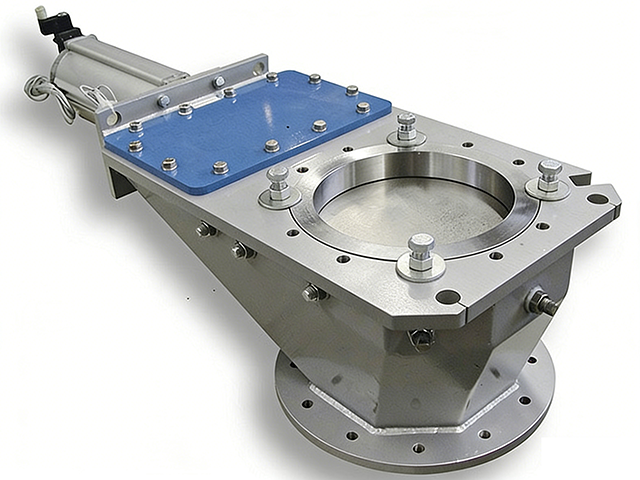
The coal mill isolation gate, also known as the coal mill slide gate (or coal mill shut-off gate), is…
Slide gate valves (or isolation valves) for flue gas, air, and pulverized coal pipelines can be widely used…
FAQ
We manufacture power plant dampers (flue gas, desulfurization, high-temperature baffle doors), slide gate valves, blind flange valves, rotary film and sponge iron deaerators, venting silencers, automatic dosing devices, steam-water sampling devices and sampling coolers, coal powder samplers, condensate recovery units, coarse and fine powder separators, and plate / shell-and-tube heat exchangers.
We are certified to ISO 9001:2015 (quality), ISO 14001:2015 (environmental) and ISO 45001:2018 (occupational health and safety) management systems. We are also a qualified supplier of Sinopec, PetroChina, China Guodian Corporation, China Datang Corporation, CNOOC and Aluminum Corporation of China Limited.
Yes — most of our business is retrofit supply. Send us the duct cross-section, design temperature and media, or drawings, templates and photos of the existing installation. Our engineers will dimension the unit, its flange drilling and the actuator interface to bolt directly into your plant.
Louver-type double-layer dampers with sealing air achieve a leakage rate below 0.5%; fully sealed slide gates and coal mill isolation doors achieve zero internal and external leakage. Every damper is leakage-tested in the works before shipment and a factory acceptance test report is supplied.
Send duct data or drawings today — get an engineering review, itemized quotation and realistic lead time within 12 working hours.