
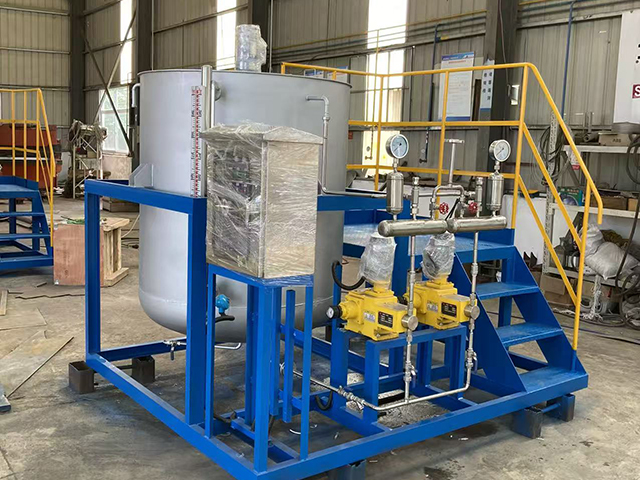
Automatic Dosing Device
A dosing device is an industrial equipment system designed to deliver a controlled and accurately measured quantity of a liquid, chemical, powder
- ISO 9001:2015
- NDA on request
- 1 pc MOQ
- DDP available
About this part
Introduction to Dosing Devices
A dosing device is an industrial equipment system designed to deliver a controlled and accurately measured quantity of a liquid, chemical, powder, gas, or other process material into a production or treatment process. Dosing devices are widely used where the quantity, concentration, flow rate, or timing of an added substance must be controlled consistently.
In industrial applications, a dosing device may operate as a standalone metering unit or as part of a complete dosing system consisting of storage tanks, metering pumps, mixers, valves, pipelines, measuring instruments, sensors, and automatic control equipment.
The main purpose of a dosing device is simple: deliver the required amount of material at the required rate and at the required time.
Modern Dosing equipment is particularly important in water treatment, wastewater treatment, power plants, chemical processing, petrochemical production, pharmaceutical manufacturing, food processing, agriculture, mining, and many other industries. Chemical dosing systems are commonly used for pH adjustment, disinfection, coagulation, flocculation, scale control, corrosion inhibition, and process conditioning.
A properly selected dosing device can improve process stability, reduce chemical consumption, increase product consistency, and reduce the risk of under-dosing or over-dosing.

What Is a Dosing Device?
A dosing device is a controlled feeding mechanism used to introduce a predetermined quantity of material into a process.
The term can describe different types of equipment depending on the material being handled. For liquids, a dosing device commonly uses a metering pump, diaphragm pump, plunger pump, solenoid pump, or peristaltic pump. For powders and granules, screw feeders, rotary feeders, vibratory feeders, and loss-in-weight feeders may be used.
In chemical and water treatment applications, the dosing device generally consists of a chemical storage container and a precision metering mechanism. The dosing pump transfers the chemical from the storage tank and injects it into the process pipeline at a controlled flow rate.
A typical dosing device can perform several functions:
Controlled chemical feeding
Precise liquid metering
Continuous or intermittent dosing
Flow-proportional dosing
Automatic concentration control
Process-based chemical injection
Batch dosing
Chemical preparation and feeding
Remote or PLC-based dosing control
The exact configuration depends on the material properties, required dosing rate, operating pressure, temperature, installation conditions, and control requirements.
Dosing Device vs. Dosing System
Although the terms dosing device and dosing system are sometimes used interchangeably, they can describe different levels of equipment.
A dosing device generally refers to the primary mechanism responsible for measuring and delivering the material. A dosing system is a complete package that may contain several interconnected components.
| Item | Dosing Device | Dosing System |
|---|---|---|
| Main function | Measures and feeds material | Provides complete dosing operation |
| Typical core equipment | Metering pump or feeder | Pump, tank, valves, instruments and controls |
| Storage tank | Optional | Usually included |
| Control system | Manual or integrated | Manual, PLC or automatic |
| Sensors | Optional | Often included |
| Injection equipment | May be included | Normally included |
| Application | Simple or complex dosing | Complete industrial process |
| Installation | Standalone or integrated | Skid-mounted or fixed system |
A complete dosing system may integrate a solution tank, agitator, metering pump, level indicator, flow meter, pressure gauge, safety valve, check valve, filter, control cabinet, pipeline, injection point, and automatic monitoring system.
How Does a Dosing Device Work?
The working principle of a dosing device depends on its design, but most liquid dosing systems follow a similar process.
Step 1: Material Storage
The chemical or process material is stored in a suitable tank, hopper, container, or preparation vessel.
For liquid chemicals, the tank material must be compatible with the chemical. Common materials include polyethylene, polypropylene, PVC, PVDF, stainless steel, and lined carbon steel, depending on the application.
Step 2: Material Preparation
Some chemicals can be dosed directly from the storage tank. Others must first be diluted, dissolved, mixed, or prepared at a specified concentration.
A dosing system may therefore include an agitator or mixer to maintain a uniform solution.
Step 3: Metering
The dosing device measures and transfers a controlled quantity of material.
For liquid systems, a positive-displacement metering pump can deliver a repeatable volume during each pump cycle. Flow can be adjusted through stroke length, stroke frequency, motor speed, pulse frequency, or electronic control.
Step 4: Injection
The metered material is delivered through dosing piping to an injection point.
An injection quill, check valve, isolation valve, or static mixer may be used depending on the process.
Step 5: Process Control
The dosing rate can be manually adjusted or automatically controlled according to process conditions.
For example, a PLC may receive signals from a flow meter, pH sensor, ORP sensor, conductivity sensor, turbidity meter, or other process instrument and adjust the dosing rate accordingly. Modern systems can also communicate with SCADA or plant automation systems.
Main Types of Dosing Devices
There are many types of dosing devices available for industrial applications. Selecting the correct type requires consideration of the material characteristics and process conditions.
Diaphragm Dosing Device
A diaphragm dosing device uses a flexible diaphragm to move and meter the process fluid.
The diaphragm separates the pumped liquid from the drive mechanism, which makes this configuration suitable for many corrosive, hazardous, or chemically aggressive liquids.
Advantages include:
Good chemical compatibility
Reliable metering
Low leakage risk
Suitable for corrosive chemicals
Adjustable dosing capacity
Good performance at varying pressures
Diaphragm metering pumps are commonly used in water treatment, wastewater treatment, chemical processing, and industrial process applications.
Plunger Dosing Device
A plunger dosing device uses a reciprocating plunger to move a defined volume of liquid.
Plunger-based equipment can provide high-pressure dosing and is often selected for applications where the required discharge pressure is relatively high.
Typical applications include:
High-pressure chemical injection
Process chemical feeding
Petrochemical systems
Industrial process control
Boiler chemical treatment
Oil and gas applications
Because the design uses a moving plunger, sealing arrangements and material compatibility must be carefully considered.
Solenoid Dosing Device
A solenoid dosing pump uses an electromagnetic mechanism to drive the diaphragm.
This type of dosing device is often compact and suitable for relatively small flow rates.
Common advantages include:
Compact construction
Simple electrical control
Easy flow adjustment
Low installation space
Suitable for automatic control
Good suitability for water treatment
Solenoid dosing pumps are commonly used for chemical injection, disinfection, pH adjustment, and small-scale water treatment systems.
Peristaltic Dosing Device
A peristaltic dosing device transfers liquid through a flexible tube or hose by compressing it progressively with rotating rollers or shoes.
The pumped fluid remains inside the tube, which can reduce contact between the fluid and the pump mechanism.
Peristaltic dosing equipment can be useful for:
Abrasive liquids
Slurries
Viscous chemicals
Shear-sensitive materials
Laboratory chemicals
Polymer solutions
The tubing is a critical wear component and must be selected according to chemical compatibility, pressure, temperature, and service life requirements.
Screw Dosing Device
Screw dosing devices are generally used for powders, granules, and dry materials.
A rotating screw conveys a controlled quantity of material from a hopper to the process.
Typical applications include:
Powder chemicals
Lime
Activated carbon
Polymer
Minerals
Additives
Food powders
Dry chemical preparation
For high-accuracy applications, screw feeders can be combined with weighing systems to create a loss-in-weight dosing arrangement.
Rotary Dosing Device
Rotary dosing devices use rotating chambers, wheels, valves, or other mechanisms to deliver controlled quantities of material.
They are commonly applied to powders, granules, pellets, and dry bulk materials.
The selection depends on:
Particle size
Bulk density
Moisture content
Flowability
Required feed rate
Dosing accuracy
Major Components of a Dosing System
A complete dosing installation may contain many individual components.
| Component | Main Function |
|---|---|
| Chemical storage tank | Stores dosing chemical |
| Solution tank | Prepares diluted or mixed chemical |
| Agitator | Keeps solution uniform |
| Metering pump | Measures and transfers liquid |
| Dosing feeder | Controls powder or granular material |
| Calibration column | Helps verify dosing flow |
| Flow meter | Measures process or dosing flow |
| Pressure gauge | Monitors system pressure |
| Back-pressure valve | Stabilizes dosing conditions |
| Safety relief valve | Protects equipment from excessive pressure |
| Check valve | Prevents reverse flow |
| Filter | Protects pump and injection equipment |
| Injection quill | Introduces chemical into process |
| Static mixer | Improves chemical distribution |
| Level sensor | Monitors tank level |
| Control panel | Provides operating control |
| PLC | Automates dosing logic |
| HMI | Provides operator interface |
| Secondary containment | Helps control chemical leakage |
A packaged dosing system may combine these components on a common skid or support structure, simplifying installation and maintenance.
Key Advantages of Dosing Devices
Accurate Material Feeding
The primary advantage of a dosing device is controlled material delivery.
Accurate dosing helps maintain the desired chemical concentration and process conditions. Metering pumps are specifically designed to deliver controlled and repeatable flow rather than simply moving large volumes of liquid.
Reduced Chemical Waste
Overdosing can consume unnecessary chemicals, while under-dosing may result in poor treatment performance.
A properly sized dosing device helps maintain the required feed rate and can therefore reduce unnecessary chemical consumption.
Improved Process Stability
Consistent dosing helps stabilize processes such as pH adjustment, coagulation, disinfection, scale inhibition, and corrosion control.
Automation
Automatic dosing equipment can respond to real-time process measurements instead of relying entirely on manual adjustment.
This enables flow-proportional dosing, timer-based dosing, and closed-loop control.
Better Safety
Automated chemical dosing reduces the need for frequent manual chemical handling.
Appropriate containment, level monitoring, alarms, interlocks, and automatic shutdown functions can further improve operational safety.
Flexible Flow Adjustment
Many dosing pumps provide adjustable flow output.
Adjustment may be achieved through:
Stroke length
Stroke frequency
Motor speed
Pump speed
Pulse frequency
Variable-frequency drive
Electronic control signal
Easy Integration
Modern dosing systems can be integrated with PLC, DCS, SCADA, pH, ORP, conductivity, flow, and other industrial control systems.
Compact Installation
Skid-mounted dosing equipment can integrate multiple components into a relatively compact package.
This can reduce field installation work and simplify system commissioning.
Common Applications of Dosing Devices
Dosing devices are used across many industries because controlled material addition is essential to numerous processes.
Water Treatment
Water treatment is one of the most common applications.
Dosing devices may be used for:
Chlorine dosing
Sodium hypochlorite dosing
Coagulant dosing
Flocculant dosing
Acid dosing
Alkali dosing
Antiscalant dosing
Corrosion inhibitor dosing
pH adjustment
Disinfection
Industrial and municipal treatment systems commonly use chemical dosing equipment to maintain water quality and treatment performance.
Wastewater Treatment
Wastewater treatment plants use dosing devices for chemical conditioning and process optimization.
Typical applications include:
Coagulation
Flocculation
pH correction
Sludge conditioning
Phosphorus removal
Disinfection
Odor control
Chemical precipitation
Power Plants
Dosing equipment is widely used in power generation systems.
Typical applications include:
Boiler water treatment
Cooling water treatment
Condensate treatment
pH adjustment
Corrosion control
Scale prevention
Chemical cleaning systems
Proper chemical dosing can contribute to reliable operation of boilers, cooling systems, heat exchangers, and associated equipment.
Chemical Industry
Chemical manufacturing processes often require precise addition of raw materials, catalysts, additives, inhibitors, and treatment chemicals.
A dosing device can provide controlled feeding into reactors, pipelines, tanks, and process systems.
Petrochemical Industry
In petrochemical applications, dosing equipment may be used for:
Corrosion inhibitors
Scale inhibitors
Demulsifiers
Biocides
Catalysts
Process additives
Material compatibility and pressure rating are particularly important when handling aggressive or hazardous chemicals.
Food and Beverage Processing
Dosing equipment can be used for controlled addition of:
Flavoring agents
Cleaning chemicals
Sanitizing chemicals
Additives
Syrups
Ingredients
Processing aids
Hygienic design and cleanability are important considerations for food-related applications.
Pharmaceutical Industry
Pharmaceutical manufacturing requires precise and repeatable addition of process materials.
Dosing equipment may be used for:
Liquid ingredients
Process chemicals
Cleaning agents
Formulation additives
Water treatment chemicals
Depending on the application, sanitary materials, documentation, cleaning procedures, and process validation may be required.
Agriculture
Agricultural dosing devices can be used for controlled delivery of:
Liquid fertilizers
Nutrient solutions
Irrigation chemicals
Water treatment chemicals
Crop treatment products
Mining and Mineral Processing
Mining processes may require dosing of:
Flocculants
Coagulants
pH-control chemicals
Frothers
Collectors
Process additives
Because many mining materials are abrasive or chemically aggressive, pump and piping materials must be selected carefully.
Dosing Device Technical Specifications
A dosing device should not be selected based on flow capacity alone. The complete operating environment must be considered.
| Parameter | Typical Consideration |
|---|---|
| Dosing medium | Water, acid, alkali, polymer, solvent, additive, slurry, powder |
| Dosing flow rate | Application-specific |
| Minimum flow | Required low-end operating rate |
| Maximum flow | Required peak dosing rate |
| Operating pressure | Process back pressure |
| Maximum pressure | Equipment design limit |
| Temperature | Normal and maximum process temperature |
| Viscosity | Important for pump selection |
| Specific gravity | Required for accurate sizing |
| Chemical concentration | Determines material compatibility |
| pH | Important for wetted materials |
| Dosing accuracy | Application-specific |
| Turndown ratio | Required operating range |
| Power supply | AC, DC, pneumatic or other |
| Control method | Manual, pulse, analog, PLC, SCADA |
| Wetted materials | PVC, PP, PVDF, PTFE, stainless steel, etc. |
| Tank capacity | Based on chemical consumption and refill frequency |
| Installation | Indoor, outdoor, skid-mounted or fixed |
| Protection class | Based on installation environment |
| Connection size | Determined by piping and flow requirements |
Published dosing equipment specifications can vary significantly by pump type and application. For example, commercial systems may cover very low flow rates through hundreds of gallons per hour, while specialized systems can operate at substantially higher pressures and capacities.
For this reason, the values in the table above should be treated as engineering selection parameters rather than universal standard specifications.
Important Factors When Selecting a Dosing Device
Chemical Compatibility
Chemical compatibility is one of the most important selection factors.
The wetted parts must resist the chemical being pumped. The correct material depends on chemical concentration, temperature, pressure, and operating conditions.
Common wetted materials include:
PVC
CPVC
PP
PVDF
PTFE
PE
Stainless steel
Alloy materials
Material compatibility should always be verified for the actual chemical and concentration.
Required Dosing Capacity
The dosing device must be capable of supplying the required minimum and maximum flow rates.
Selecting a pump that is too large can make low-flow control difficult. Selecting one that is too small may prevent the system from meeting peak demand.
A suitable dosing device should therefore provide enough capacity while maintaining useful control over the actual operating range.
Operating Pressure
The dosing pump must be capable of delivering the required flow against the actual system pressure.
The pressure at the pump discharge may be affected by:
Process pressure
Static head
Pipeline resistance
Injection point pressure
Valves
Filters
Check valves
Static mixers
The selected pump should have sufficient pressure capability with an appropriate engineering margin.
Fluid Viscosity
Water-like liquids are generally easier to meter than highly viscous fluids.
As viscosity increases, pump performance, suction conditions, valve response, and dosing accuracy can change.
For polymer solutions, oils, concentrated chemicals, and other viscous fluids, the dosing device should be specifically selected for the actual viscosity range.
Fluid Temperature
Temperature can affect:
Viscosity
Vapor pressure
Material compatibility
Seal performance
Diaphragm life
Pump capacity
Both normal and maximum temperature should be considered during equipment selection.
Dosing Accuracy
The required accuracy depends on the process.
A simple chemical feed application may tolerate a relatively broad dosing range, while a high-value process or tightly controlled chemical reaction may require much more precise metering.
It is important to distinguish between theoretical pump capacity, repeatability, steady-state accuracy, and actual system-level dosing performance.
Manual vs. Automatic Dosing Devices
Dosing equipment can be manually operated or automatically controlled.
| Feature | Manual Dosing | Automatic Dosing |
|---|---|---|
| Flow adjustment | Operator | Controller |
| Process feedback | Limited | Available |
| Automation | Low | High |
| Operator involvement | Higher | Lower |
| Flow proportional control | Limited | Available |
| Remote monitoring | Usually unavailable | Available |
| PLC integration | Optional | Common |
| Consistency | Depends on operator | High when correctly configured |
| Initial complexity | Lower | Higher |
| Suitable for | Simple processes | Continuous industrial processes |
Automatic dosing is particularly valuable when process conditions change continuously.
For example, if the process flow rate increases, a flow-proportional dosing system can increase chemical feed accordingly. Closed-loop systems can also adjust chemical feed according to measured process parameters such as pH or residual concentration.
Dosing Device Control Methods
Timer-Based Control
The dosing pump operates according to a predefined schedule.
This method is simple and suitable when chemical demand is relatively predictable.
Flow-Proportional Dosing
The dosing rate changes according to the process flow.
This approach is useful when chemical demand is directly related to the amount of water or process fluid being treated.
Analog Control
A 4–20 mA or similar signal can be used to adjust the dosing rate according to an external controller or process instrument.
Closed-Loop Control
A sensor measures a process variable and sends feedback to the controller.
The controller then changes the dosing rate to maintain a target value.
Common feedback parameters include:
pH
ORP
Conductivity
Residual chlorine
Turbidity
Flow
Temperature
Concentration
Modern automatic dosing systems may combine sensors, controllers, pumps, alarms, and SCADA communications into one integrated control architecture.
Dosing Device Maintenance
Regular maintenance helps maintain dosing accuracy and equipment reliability.
Important maintenance tasks include:
Inspect the Dosing Pump
Check the pump head, diaphragm, valves, seals, connections, and drive mechanism for signs of wear or leakage.
Check Chemical Lines
Inspect suction and discharge lines for:
Cracks
Blockages
Chemical deposits
Leakage
Air ingress
Loose connections
Inspect Filters
Blocked suction filters can reduce pump performance and cause unstable dosing.
Check Calibration
Periodic calibration verifies that the actual chemical feed rate matches the expected dosing rate.
Check Valves
Check valves, foot valves, injection valves, and back-pressure valves should be inspected regularly.
Check Tank Level
Low chemical levels can cause dosing interruption or pump operating problems.
Inspect Instruments
Level switches, flow meters, pressure sensors, pH probes, ORP sensors, and other instruments should be inspected and calibrated according to the application.
Review Control Settings
Automatic systems should be checked to ensure that setpoints, alarms, interlocks, and dosing curves remain appropriate.
Common Dosing Device Problems and Solutions
| Problem | Possible Cause | Recommended Check |
|---|---|---|
| Low dosing flow | Blocked line or valve | Inspect suction and discharge path |
| Irregular dosing | Air in pump head | Check suction connections and venting |
| Pump not priming | Empty tank or excessive suction lift | Check liquid level and suction conditions |
| Chemical leakage | Damaged diaphragm or seal | Inspect wetted components |
| Excessive pressure | Blocked discharge line | Inspect injection point and valves |
| Chemical over-dosing | Incorrect control setting | Verify pump calibration and control signal |
| Chemical under-dosing | Insufficient capacity | Verify actual flow and pressure |
| Pump noise | Cavitation or air | Check suction conditions |
| Poor mixing | Incorrect injection point | Review injection arrangement |
| Rapid component wear | Incompatible chemical | Review wetted material selection |
| Unstable automatic control | Sensor problem | Check sensor calibration and signal |
| Tank solution separation | Insufficient mixing | Inspect agitator and mixing conditions |
Dosing Device Safety Considerations
Chemical dosing equipment should be designed and operated with appropriate safety measures.
Important considerations include:
Chemical-resistant materials
Secondary containment
Emergency isolation valves
Pressure relief protection
Low-level alarms
Leak detection where required
Proper ventilation
Safe chemical filling arrangements
Appropriate personal protective equipment
Clearly identified chemical lines
Electrical protection
Automatic pump shutdown where necessary
Hazardous chemicals require additional risk assessment and site-specific safety procedures.
A dosing device should never be selected solely on price or flow capacity. Chemical properties, process hazards, operating pressure, temperature, installation environment, and applicable engineering requirements should all be evaluated.
Dosing Device Installation Considerations
Correct installation is essential for stable dosing performance.
The suction line should be appropriately sized and installed to reduce unnecessary pressure loss. Excessive suction resistance can affect pump performance.
The discharge side should include suitable valves and protection according to the process design.
The injection point should be selected so that the chemical can mix effectively with the process stream.
Important installation factors include:
Pump location
Suction line length
Suction lift
Discharge pressure
Pipe diameter
Injection point
Chemical compatibility
Ambient temperature
Ventilation
Maintenance access
Electrical requirements
Drainage and spill containment
A poorly designed injection point can cause inadequate mixing even when the dosing pump itself is operating correctly.
Dosing Device for Water Treatment
Water treatment is one of the most important application areas for dosing devices.
A typical water treatment dosing arrangement may include:
Chemical Tank → Metering Pump → Check Valve → Pressure Control → Injection Point → Process Pipeline
The chemical can be injected according to a fixed flow rate, process flow, or feedback signal.
Common chemical dosing applications include:
| Treatment Objective | Typical Chemical Category |
|---|---|
| Disinfection | Chlorine compounds |
| Coagulation | Ferric salts, aluminum-based coagulants |
| Flocculation | Polymer solutions |
| pH reduction | Acid |
| pH increase | Alkali |
| Scale control | Antiscalant |
| Corrosion control | Corrosion inhibitor |
| Biological control | Biocide |
| Cleaning | Chemical cleaning solutions |
The exact chemical and concentration must be determined according to the treatment process rather than selected solely from generic equipment information.
Dosing Device for Power Plant Applications
Power plant auxiliary systems often require carefully controlled chemical addition to maintain water chemistry and protect equipment.
Potential applications include:
Boiler feedwater treatment
Cooling water treatment
Condensate treatment
Chemical cleaning
Corrosion inhibition
Scale prevention
pH control
Oxygen scavenging
A dosing device used in a power plant should be selected according to the chemical properties, operating pressure, temperature, required capacity, control philosophy, and reliability requirements.
For continuous power generation systems, automatic monitoring and redundant dosing arrangements may be considered where process continuity is critical.
Dosing Device Specifications Checklist
Before selecting a dosing device, engineers should collect the following information.
| Selection Item | Required Information |
|---|---|
| Dosing medium | Chemical name and composition |
| Concentration | % or specified concentration |
| Flow requirement | Minimum / normal / maximum |
| Process pressure | Minimum / normal / maximum |
| Temperature | Minimum / normal / maximum |
| Viscosity | Operating viscosity |
| Specific gravity | Required for sizing |
| pH | If applicable |
| Required accuracy | Process requirement |
| Operating mode | Continuous / intermittent / batch |
| Control method | Manual / timer / proportional / closed-loop |
| Power supply | Voltage and frequency |
| Installation | Indoor / outdoor |
| Material requirements | Wetted material compatibility |
| Tank size | Required storage duration |
| Pipe connection | Suction / discharge connection |
| Alarm requirements | Level / pressure / flow / leakage |
| Communication | PLC / DCS / SCADA |
| Maintenance requirements | Accessibility and spare parts |
Providing complete process information helps engineers select a dosing device that is appropriately sized rather than simply selecting a pump based on nominal flow.
Dosing Device Selection: A Practical Engineering Approach
A practical selection process can be divided into several stages.
Identify the Material
Determine exactly what will be dosed.
Record chemical composition, concentration, viscosity, specific gravity, temperature, vapor pressure, and corrosiveness where applicable.
Determine Required Flow
Establish minimum, normal, and maximum dosing rates.
Determine Discharge Pressure
Identify the actual pressure at the injection point and calculate additional pressure losses.
Select Pump Technology
Compare diaphragm, plunger, solenoid, peristaltic, or other dosing technologies.
Select Wetted Materials
Select materials based on actual chemical compatibility.
Select the Control Method
Determine whether manual, timer-based, flow-proportional, analog, or closed-loop control is required.
Check Installation Conditions
Consider temperature, humidity, chemical exposure, available space, accessibility, and environmental protection.
Design Supporting Components
Consider tanks, filters, valves, pressure gauges, calibration equipment, injection devices, mixers, containment, and control equipment.
Verify System Performance
After installation, verify the actual dosing flow and compare it with the required process value.
Frequently Asked Questions About Dosing Devices
What is the main purpose of a dosing device?
The main purpose of a dosing device is to deliver a controlled and measured quantity of material into a process. In liquid chemical applications, this is commonly achieved with a metering pump.
What is the difference between a dosing pump and a normal pump?
A normal transfer pump is primarily designed to move fluid, while a dosing or metering pump is designed to deliver a controlled quantity at a defined rate. Dosing pumps are commonly used where flow accuracy and repeatability are important.
What chemicals can be handled by a dosing device?
Depending on the equipment design and materials, dosing devices can handle acids, alkalis, disinfectants, coagulants, flocculants, inhibitors, additives, polymers, and many other process chemicals.
The actual chemical compatibility must always be verified before selection.
Can dosing devices work automatically?
Yes. Modern dosing systems can operate automatically using timers, flow signals, analog signals, PLCs, sensors, or closed-loop control.
What is a metering pump?
A metering pump is a precision positive-displacement pump designed to deliver a controlled liquid flow rate. It is one of the most common core components used in liquid dosing systems.
What is a dosing skid?
A dosing skid is a packaged dosing assembly in which major components such as tanks, pumps, valves, piping, instruments, and controls are installed on a common support structure.
How can dosing accuracy be improved?
Dosing accuracy can be improved by selecting the correct pump size, maintaining stable suction conditions, using appropriate valves, calibrating the pump, maintaining sensors, controlling pressure fluctuations, and selecting a suitable control strategy.
Why is chemical compatibility important?
Chemical incompatibility can cause corrosion, swelling, cracking, leakage, premature component failure, or contamination. Wetted materials must therefore be selected according to the actual chemical and operating conditions.
Dosing Device Industry Trends
The development of dosing technology is increasingly focused on automation, monitoring, energy efficiency, reliability, and digital process control.
Modern systems may integrate:
Smart metering pumps
Digital flow adjustment
PLC control
HMI interfaces
Remote monitoring
SCADA communication
Automatic calibration
Chemical level monitoring
Flow feedback
pH feedback
ORP feedback
Alarm management
Predictive maintenance
The integration of dosing equipment with industrial automation allows chemical feed to become part of a broader process-control strategy rather than functioning as an isolated pump.
This trend is particularly important for water treatment, wastewater treatment, chemical manufacturing, and other continuous industrial processes.
Dosing Device vs. Dosing Pump vs. Dosing System
| Term | Meaning | Typical Role |
|---|---|---|
| Dosing Device | General controlled feeding equipment | Measures and feeds material |
| Dosing Pump | Pump designed for controlled liquid metering | Liquid chemical injection |
| Metering Pump | Precision pump for controlled flow | Accurate liquid dosing |
| Chemical Feed Pump | Pump used to feed chemicals | Chemical transfer and injection |
| Dosing System | Complete integrated equipment package | Full dosing process |
| Chemical Dosing Skid | Packaged dosing system | Compact industrial installation |
| Dosing Feeder | Controlled solid material feeder | Powder and granule dosing |
Using these terms correctly can make technical product content clearer while also helping search engines understand the relationship between related equipment categories.
Conclusion
A dosing device is an important industrial solution for controlled and repeatable material addition. Its applications extend from water and wastewater treatment to power generation, chemical processing, petrochemical production, food processing, agriculture, pharmaceutical manufacturing, and mineral processing.
The core principle is straightforward: the equipment must supply the required material at a controlled rate and introduce it into the process at the correct location.
However, successful dosing depends on more than simply selecting a pump. Engineers must evaluate chemical compatibility, dosing capacity, operating pressure, temperature, viscosity, accuracy, control method, tank capacity, installation conditions, and maintenance requirements.
A complete dosing system may combine a storage tank, agitator, metering pump, valves, filters, pressure-control components, injection equipment, sensors, PLC, HMI, and safety devices. Integrated systems can provide automated and feedback-based dosing for improved process consistency and reduced operator intervention.
For industrial applications, the most suitable dosing device should therefore be selected according to the actual process conditions rather than a generic capacity specification. Proper engineering selection, installation, calibration, and maintenance are essential for achieving reliable dosing performance.
Whether used for chemical injection, water treatment, boiler water conditioning, wastewater treatment, process control, or industrial chemical feeding, dosing devices provide a practical way to maintain accurate, stable, and repeatable material addition.
Quality documentation included
- Dimensional inspection report (CMM / profile projector) for critical features
- Material certificate with heat number traceability
- Surface finish and hardness records where specified
- Photographic packing record before shipment
FAQ
Common questions
What products does Lianyungang Huaneng Power Auxiliary Equipment manufacture?
We manufacture power plant dampers (flue gas, desulfurization, high-temperature baffle doors), slide gate valves, blind flange valves, rotary film and sponge iron deaerators, venting silencers, automatic dosing devices, steam-water sampling devices and sampling coolers, coal powder samplers, condensate recovery units, coarse and fine powder separators, and plate / shell-and-tube heat exchangers.
Which certifications does your factory hold?
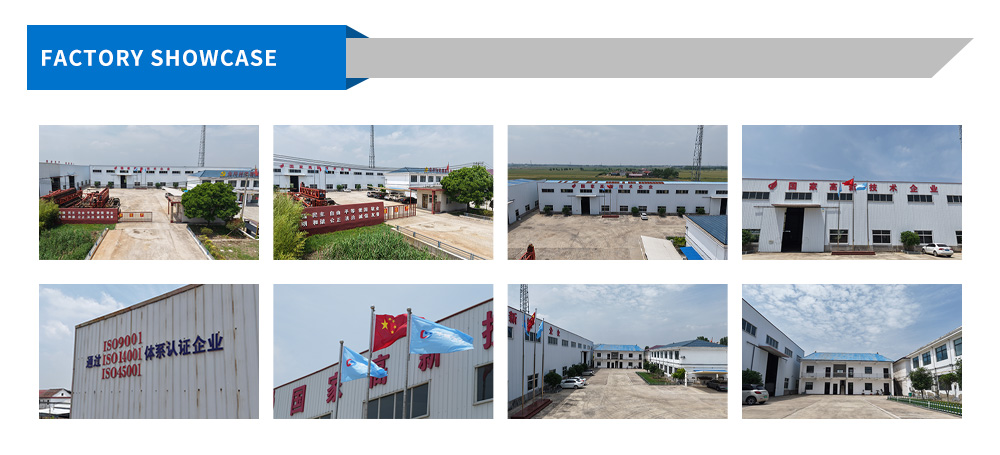
We are certified to ISO 9001:2015 (quality), ISO 14001:2015 (environmental) and ISO 45001:2018 (occupational health and safety) management systems. We are also a qualified supplier of Sinopec, PetroChina, China Guodian Corporation, China Datang Corporation, CNOOC and Aluminum Corporation of China Limited.
Can you match a damper or valve to our existing ductwork?
Yes — most of our business is retrofit supply. Send us the duct cross-section, design temperature and media, or drawings, templates and photos of the existing installation. Our engineers will dimension the unit, its flange drilling and the actuator interface to bolt directly into your plant.
What leakage performance do your dampers achieve?
Louver-type double-layer dampers with sealing air achieve a leakage rate below 0.5%; fully sealed slide gates and coal mill isolation doors achieve zero internal and external leakage. Every damper is leakage-tested in the works before shipment and a factory acceptance test report is supplied.